Research Stories
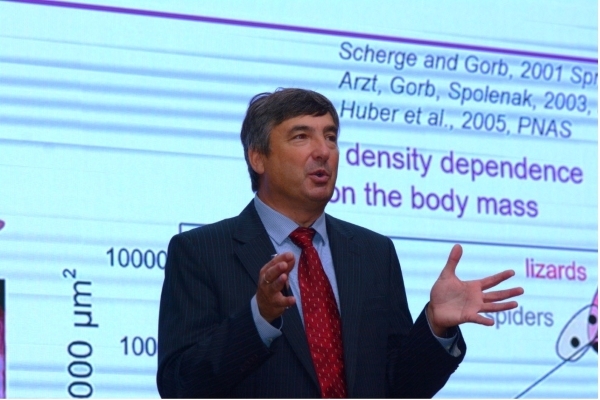
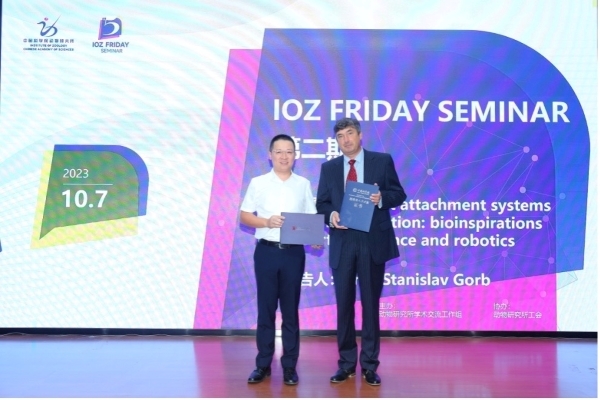
On my first visit in October 2023, I visited the research group of Prof. Bai and gave a lecture at the Institute of Zoology (IOZ), Chinese Academy of Sciences (CAS). During my time there, I saw different kinds of beetle specimens in the collections, which were beautiful and exquisite. I was also kindly invited to attend the Training Course on Key Technologies of Insect Diversity Pattern Assessment and Intelligent Monitoring System in the Belt &Road Region. In a addition, I visited two local universities and had special experiences in Cangzhou and Baoding.
In Cangzhou, I watched a wonderful Chinese acrobatic performance in Wuqiao county — just as artistic, diverse, and skillful as I had heard. In Baoding, I visited the Zhili Viceroy Government Office, the most complete and unique surviving provincial government office from the Qing Dynasty (1644-1911), and learned the story about several famous people like Li Hongzhang and Zeng Guofan. Through study and exchange, I was able to share my research results with Chinese colleagues, fostering valuable international scientific cooperation.
In October 2024, I came to the Institute of Zoology again to discuss research topics with the staff, postdocs and Ph.D. students. I was impressed by their enthusiasm and motivation for research. I also visited research group at other universities and institutes, further strengthening academic ties.
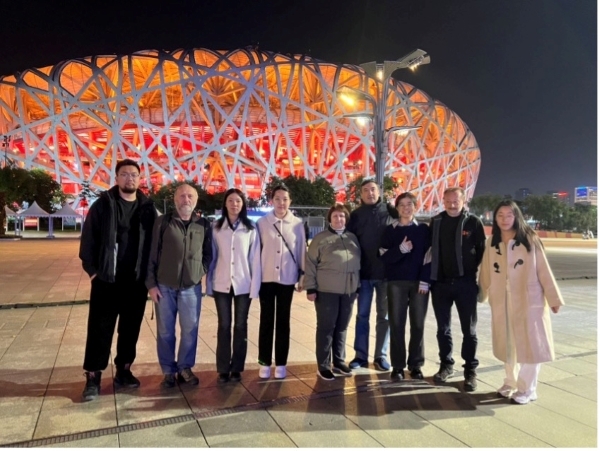
Apart from the scientific work, I was also impressed by the attractions and food in Beijing. For example, I saw many rare animal specimens and fossils at the National Zoological Museum, China's first state-level professional museum dedicated to animals. I also visited the Lama Temple, the largest Tibetan Buddhist temple in Beijing, renowned for its magnificent architecture, rich relics and deep cultural heritage. I also admired the National Stadium, or the “Bird's Nest”, one of Beijing's landmarks and the main venue for the 2008 Beijing Olympic Games. Its unique design gives out a strong Chinese cultural character. And, of course, Beijing's diverse and flavorful cuisine was unforgettable.
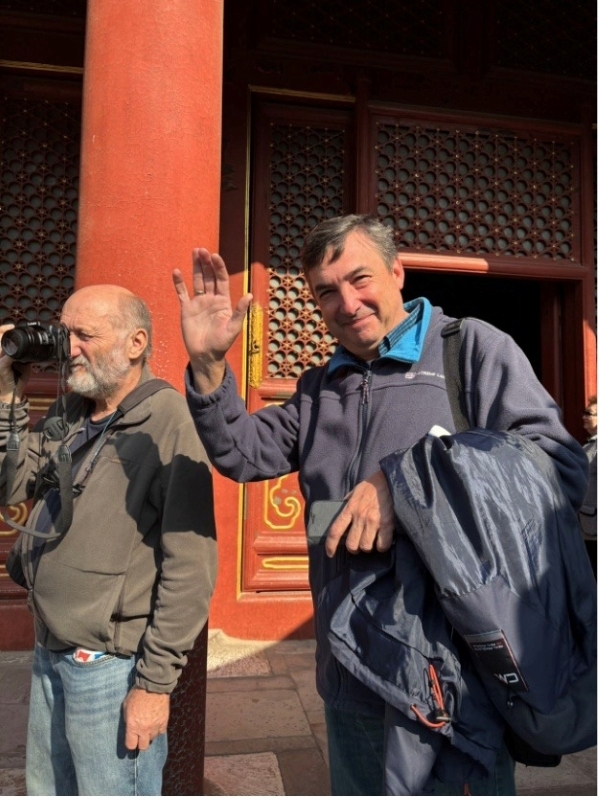
In summary, I’m very grateful for the opportunity to work with my Chinese partners. My time in China significantly enriched my scientific and personal life in many ways, and I wholeheartedly recommend coming to Beijing to experience its rich culture and modern comforts. I look forward to continuing the scientific collaboration with Prof. Bai's group and will always cherish the friendships I have made here.