Research Stories
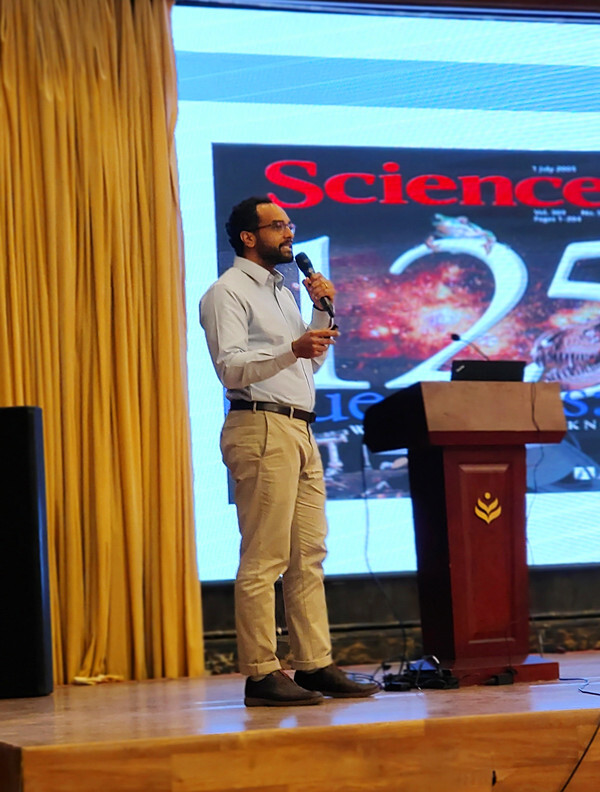
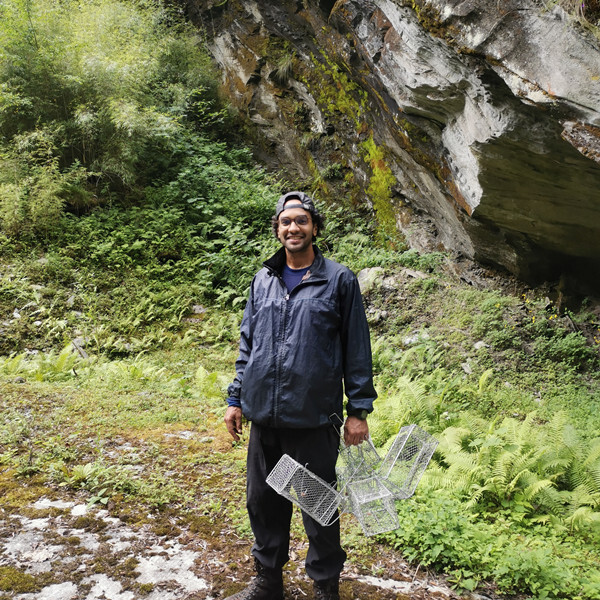
My name is Anderson Feijó. I am a Brazilian mammalogist interested in understanding the factors related to species diversity and evolution. Seven years ago, just a few months after finishing my PhD in Brazil, I moved to China. Since then, I have learned much about Chinese culture, food, and language, and especially the Chinese people. It is an amazing country and I have been fortunate to meet great professors, colleagues, and friends who helped me through different phases and always made me feel welcome.
Working at the Chinese Academy of Sciences (CAS) was definitely a landmark in my career. After joining Professor Yang Qisen’s research team at the Institute of Zoology of CAS in Beijing, I have greatly expanded my research fields and began exploring topics related to adaptations to high altitudes, evolution of Asian mammals, and the ecology of montane animals. I have also joined several field expeditions across China, traveling from Hainan in the extreme south to Hebei in the north. Being exposed to a great diversity of species and biomes in China motivated me to pursue my most ambitious project: investigating how the mammal faunas were assembled over time in Asia. The development of this project was only possible thanks to the CAS President’s International Fellowship Initiative (PIFI). The findings, which highlighted the importance of the Himalayas and Hengduan mountains as centers of species accumulation, were published in the prestigious journal PNAS. I am very proud of this project as it represents a very important advancement in our understanding of mammal evolution in the Asian continent.
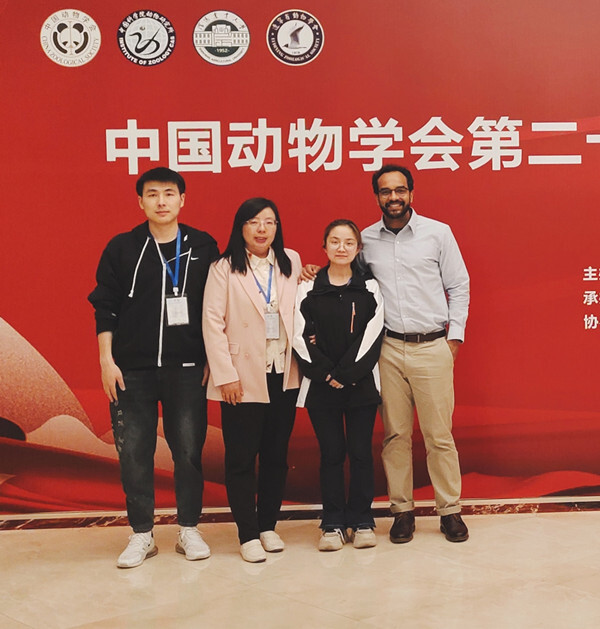
During my time in China, I have also participated in several other projects led by Professor Yang’s group, where I could contribute to the new generation of Chinese scientists by assisting graduate students. The collaboration with researchers from the Institute of Zoology and other universities across the country resulted in a very productive and motivational environment; together we published 15 articles in just two years. There is no doubt that China is one of the leading countries in scientific development globally and I feel privileged to have participated in the PIFI fellowship program. Overall, I had a great experience working and living in China and I look forward to new joint projects with Chinese scholars and to continuing to be part of the CAS history.