Research Progress
-
 Epigenetic modifier Ezh2 regulates adult neural stem cell proliferation and cognitionApr 18, 2014
 -
 The embryos of birds and reptiles actively cope with temperature challengeApr 03, 2014
 -
 Inhibition of endothelial ERK signaling by Smad1/5 is essential for hematopoietic stem cell emergenceHematopoietic stem cells (HSCs) are a group of multipotent hematopoietic progenitor cells that can differentiate into all blood lineages to maintain normal life activities. Hematopoietic stem cell transplantation (HSCT) has become the most effective way to treat the malignant blood diseases, but it is still difficult to generate HSCs in vitro and maintain their pluripotency.Mar 13, 2014
 -
 IOZ Team Established Knockout Pig Model for von Willebrand Disease Using CRISPR TechnologyFeb 17, 2014
 -
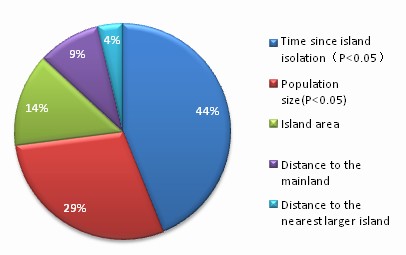 Population size and time since island isolation determine genetic diversity loss in insular frog populationsFeb 17, 2014
 -
 New circulating small RNAs (tsRNAs) found associating with active infectionDiscovery of an ancient class of tRNA-derived small RNAs (tsRNAs) abundantly and conservatively existed in the sera of a wide range of vertebrate species along the evolution tree. The serum tsRNAs showed sensitive response to active infection in mouse, monkey and human being.Jan 22, 2014
 -
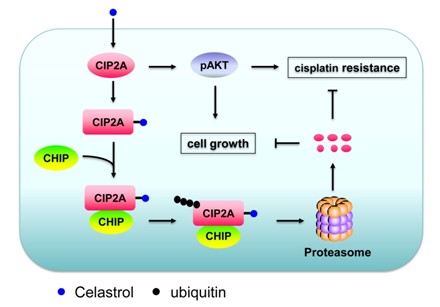 CIP2A inhibitor shows promise in preclinical study for lung cancerLung cancer is the leading cause of cancer deaths worldwide, killing 1.4 million people annually. Therefore, there is an urgent need to develop new targeted therapies for this deadly disease.Cancerous inhibitor of protein phosphatase 2A (CIP2A) is a newly discovered endogenous cancerous inhibitor of protein phosphatase PP2A, and functions as an oncoprotein to modulate Akt and stabilize c-Myc, and is required for cell proliferation and malignant transformation.Dec 19, 2013
 -
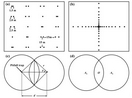 Solving the pitfalls of pitfall trapping: a two-circle method for density estimation of ground-dwelling arthropodsNov 08, 2013
 -
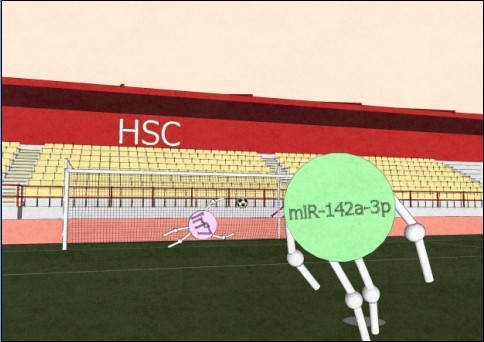 miR-142-3p regulating the formation and differentiation of hematopoietic stem cells in vertebratesOct 30, 2013
 -
 Linking climate change to population cycles of hares and lynxThe 10-year population cycles of snowshoe hares and Canada lynx are the classic example of race between prey and predator in the ecological textbooks. By the use of historic fur harvest data, we find predation is necessary but not sufficient in causing the observed 10-yr cycles; while extrinsic climate factors are important in producing and modifying the sustained cycles. We find recent climate warming likely contributes to the recent decline of lynx population and disappearance of cycles by increasing rainfall but reducing snow in Canada.Oct 22, 2013