Research Progress
-
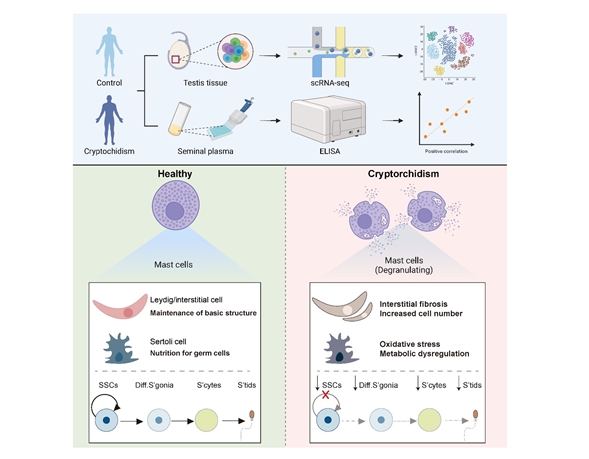 Deciphering the Pathological Mechanisms of Spermatogenic Impairment in CryptorchidismCryptorchidism is a common congenital abnormality in male newborns. Studies have found that cryptorchidism is associated with a high prevalence of male infertility, with nearly 10% of men with fertility problems having a history of cryptorchidism. However, the pathogenesis of cryptorchidism that leads to male infertility in adulthood has yet to be fully understood.Sep 04, 2024
 -
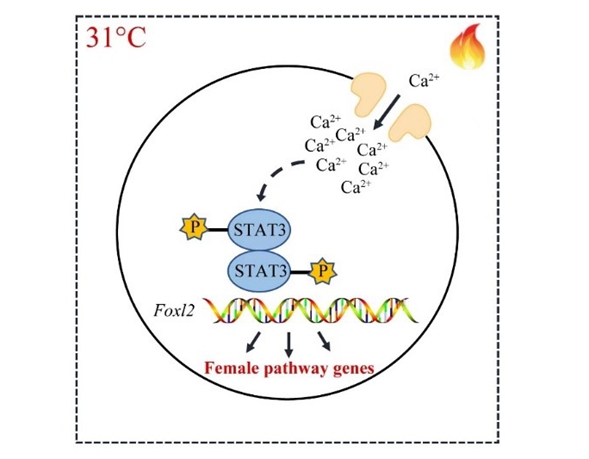 Discovery of new female-determining pathway in turtlesThe signaling pathways leading to female development are not well known in many animal species, probably because development of embryos into females was traditionally considered the default developmental pathway.Sep 04, 2024
 -
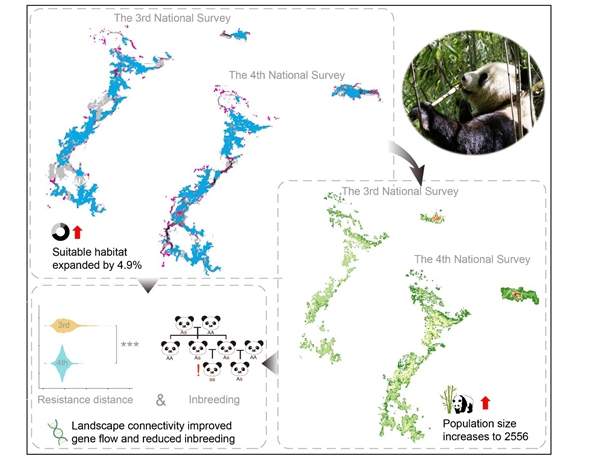 Scientists Reveal Habitat Connectivity Drives Panda RecoveryIn a study published in Current Biology on August 9, a research team led by Prof. WEI Fuwen from Jiangxi Agricultural University and the Institute of Zoology of the Chinese Academy of Sciences, have revealed the mechanism and process of giant panda (Ailuropoda melanoleuca) recovery.Aug 12, 2024
 -
Role of Metabolites in Human Placental Health UnveiledA study, led by Prof Ng Shyh-Chang, Prof Wang Yan-Ling and Prof Wang Hongmei from the Beijing Institute of Stem Cells and Regenerative Medicine and CAS Institute of Zoology, delved into the intricate workings of placental trophoblast stem cells. Researchers discovered that these cells require a precise amount of glucose for proper regulation. When glucose levels drop, even briefly, the placenta enters a "crisis mode" linked to inflammation and potential pregnancy complications. Remarkably, acetate supplementation, easily obtained from vinegar, could potentially prevent or alleviate these issues, supporting healthy placental development and fetal growth.Jul 31, 2024
-
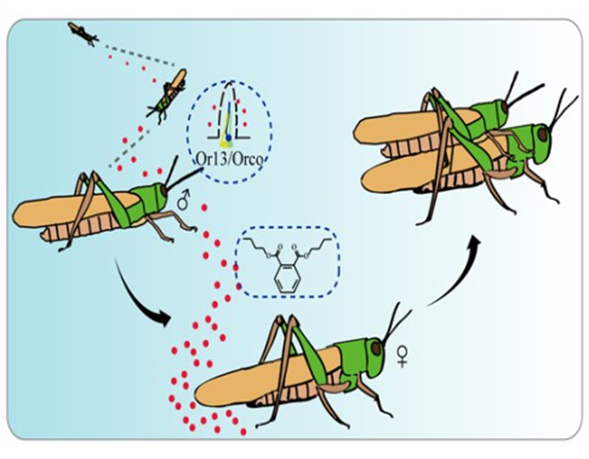 Locusts Locate Mates by Sex Pheromones at Low DensityLocusts are important agricultural pests that cause severe agricultural disasters and economic losses. In the natural environment, the population density of locusts can vary greatly, ranging from sporadic individuals to high-density swarms.Jul 30, 2024
 -
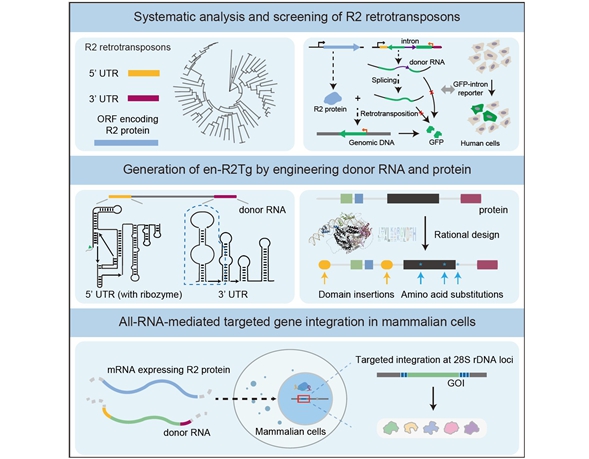 Novel Gene Writing Technology Enables All-RNA-mediated Targeted Gene Integration in Human CellsIn a recent study published in Cell, a research team led by LI Wei and ZHOU Qi from the Institute of Zoology of the Chinese Academy of Sciences has developed an innovative gene-writing technology based on retrotransposons. This achievement enables all-RNA-mediated targeted gene integration in human cells.Jul 12, 2024
 -
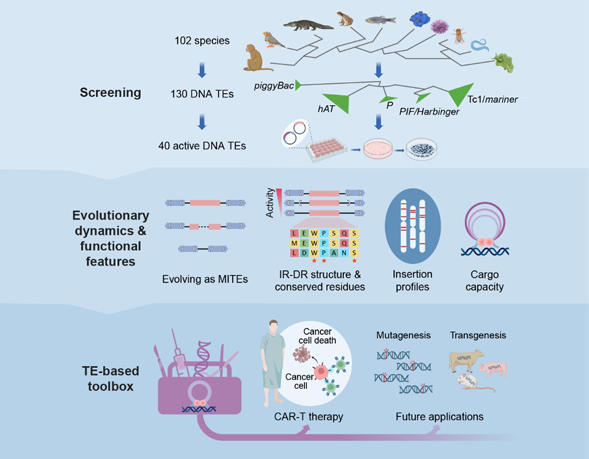 Large-scale Study Reveals Functional Diversity of DNA Transposons and Expands Genome Engineering ToolboxIn a study published in Cell, a research team led by ZHANG Yong’e and WANG Haoyi from the Institute of Zoology of the Chinese Academy of Sciences has characterized the diversity of DNA transposons and expanded the genome engineering toolbox.Jun 06, 2024
 -
The “Encounter” between plant viruses and insect wingsGenomics of Vector Insect and Virus Lab led by Prof. Feng Cui and Ecological genomics Lab led by Prof. Le Kang from the Institute of Zoology (IOZ) of the Chinese Academy of Sciences (CAS) successfully decipher the secret of plant viruses regulating insects' wing morphology. The study entitled “A plant virus manipulates the long-winged morph of insect vectors” was published online in PNAS on January 9, 2024.Jan 12, 2024
-
Researchers decode the spatiotemporal transcriptome atlas of multiple regions of the developing human brainAs the most complex organ in humans , the brain is anatomically divided into different regions .These different brain regions have special input-output connections and play various important functions .During the development of the human brain , complex cell types are generated through inherent genetic programs .Considering the rapid expansion of human brain volume during development , this poses a huge challenge for exploring the development of the human brain , especially the study of regional specialization in space .Dec 21, 2023
-
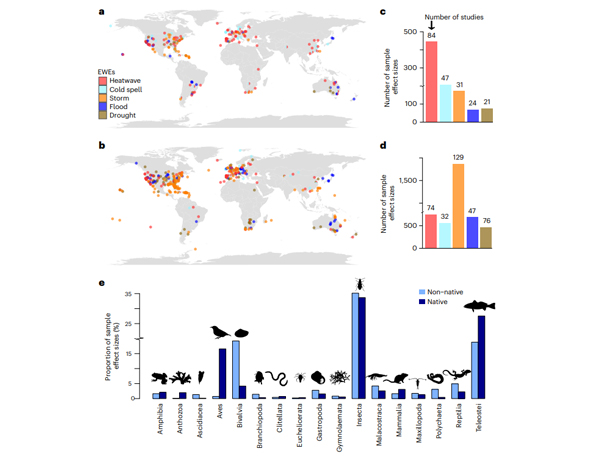 Invasive species may combine with extreme weathers to threaten global biodiversityInvasive species and extreme weather events (EWEs) are posing high impacts to global biodiversity, but their combined threat remains unclear, which is firstly dependent on the responses of invasive species to EWEs. Compared with native counterparts, invasive species usually have higher phenotypic plasticity, growth rate, and population recovery to quickly adapt stressful environments. It is theoretically predicted that non-native species and native species may exhibit different responses to EWEs, which, however, has never been tested in terrestrial, freshwater and marine ecosystems, covering various EWE types and response mechanisms across taxonomic groups and biogeographic regions worldwide.Nov 07, 2023