Research Progress
-
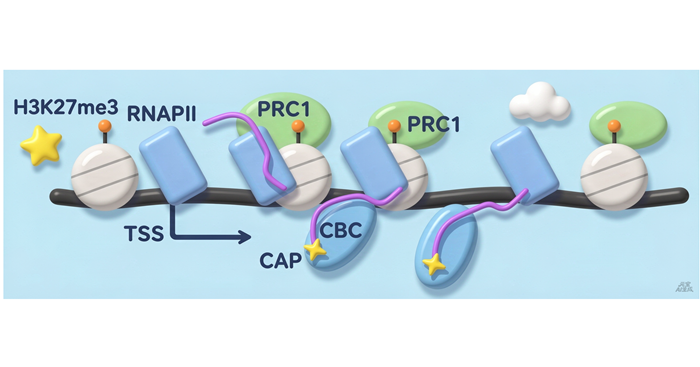 Connection between polycomb repression and cotranscriptional processingOn September 14, 2026, a research article titled Dynamic Polycomb–CBC crosstalk orchestrates mRNA production at transcriptionally active loci in plants by the research team led by Zicong Li at Shandong University and Fangqing Zhao at the Institute of Zoology, Chinese Academy of Sciences was published online in PNAS. Combining molecular‑biological and genomic approaches, this study reveals the molecular mechanism by which Polycomb group proteins repress transcriptionally active loci in the model plant Arabidopsis thaliana via binding to nascent pre‑mRNA. This work reports the interaction between the chromodomain H3K27me3 readers and pre‑mRNA and elucidates the epigenetic mechanism whereby PcG proteins regulate transcriptionally active genomic loci.Sep 16, 2026
 -
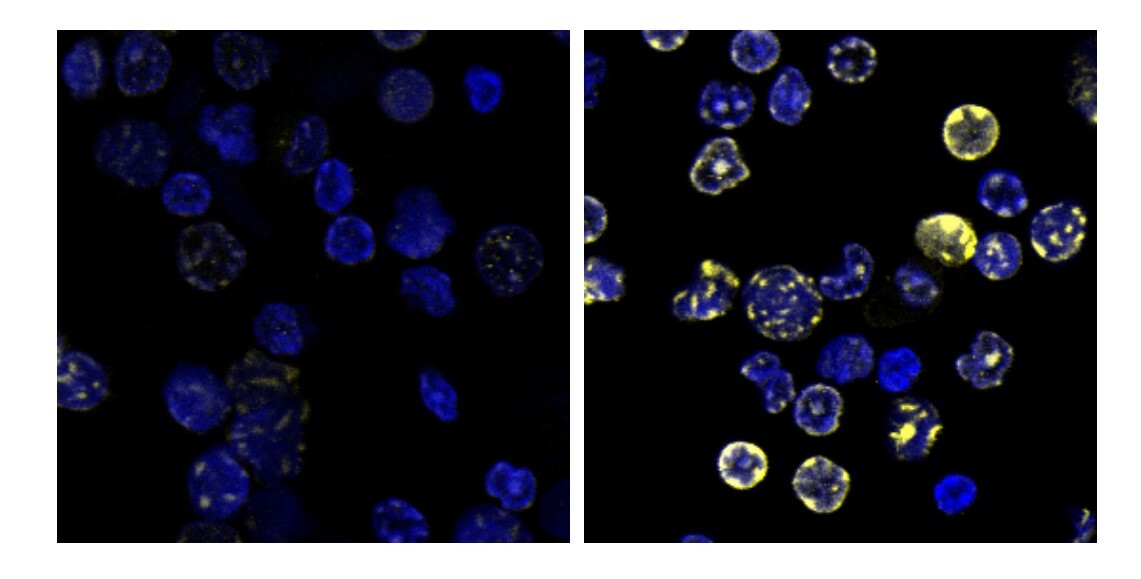 Vitamin C Turns Back the Clock on Aging Bone Marrow in PrimatesAs we age, the bone marrow gradually loses its rhythm. This hidden factory for blood and immune cells produces fewer essential components over time. More defective parts emerge, and the quality control team shrinks. Hematopoietic stem cells increasingly favor the myeloid lineage over lymphoid production, tilting the immune system's balance. Older bodies become vulnerable to infections, weak vaccine responses, and blood cancers. For years, scientists debated whether this decline was an irreversible fate. Now a new study in non-human primates shows that a simple daily nutrient, vitamin C, can turn back the clock.Jul 20, 2026
 -
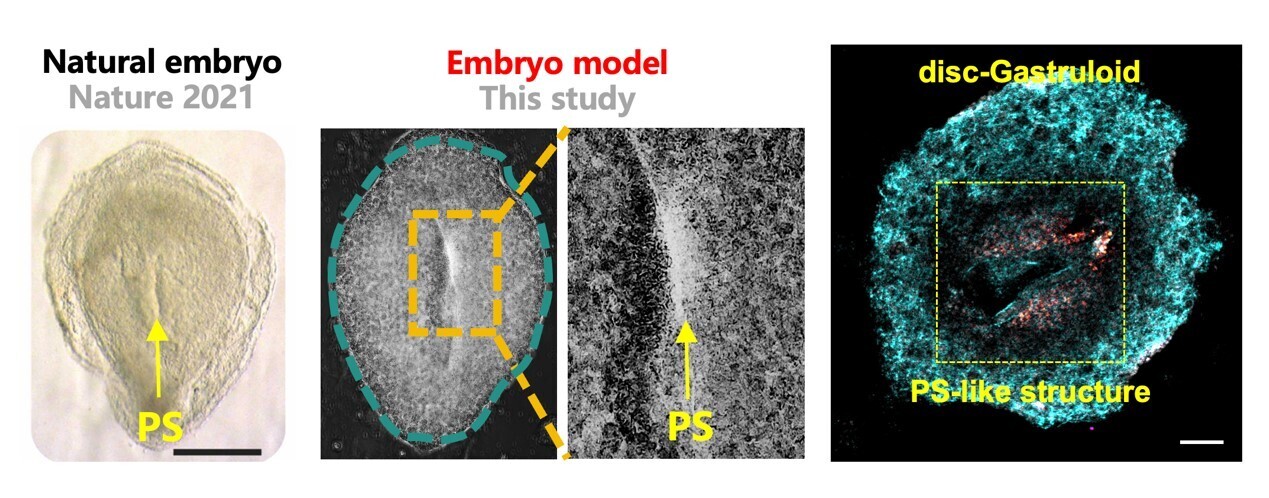 Scientists Build Human Disc-Gastruloid Model to Recreate Early Primitive Streak FormationA research team led by Prof. YU Leqian from the Institute of Zoology, Chinese Academy of Sciences, and collaborators has built a human embryonic disc-like gastruloid model, named disc-Gastruloid. The model can recreate the ordered formation of a primitive streak-like structure in vitro. The study was published in Cell on June 24, 2026.Jun 25, 2026
 -
When host meets virus: the genetic interaction behind nasopharyngeal carcinoma risk in Southern ChinaNasopharyngeal carcinoma (NPC) is a strikingly endemic malignancy in southern China: although the region represents only ~2% of the global population, it accounts for nearly 40% of all NPC cases worldwide. Often referred to as the "Cantonese cancer," NPC has long posed a fundamental question in cancer epidemiology—what underlies its extraordinary geographic concentration? Previous studies have identified human variation and Epstein–Barr virus (EBV) infection as risk factors associated with NPC incidence.Apr 16, 2026
-
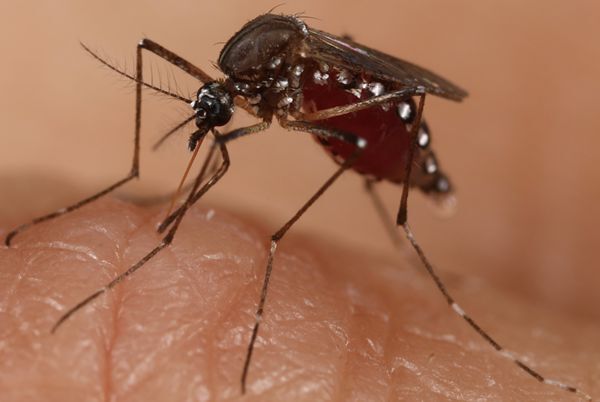 Researchers Reveal m6A Epigenetic Modification Controls Arbovirus Infection and Transmission Between Vertebrates and MosquitoesArthropod-borne viruses (arboviruses), such as dengue and Zika viruses, transmit widely across the globe, posing threats to human health and biosecurity. They spread through the bites of arthropod vectors, moving between insects and vertebrate hosts. To sustain their transmission cycle, these viruses must alternately infect both mosquito vectors and vertebrate hosts.Mar 19, 2026
 -
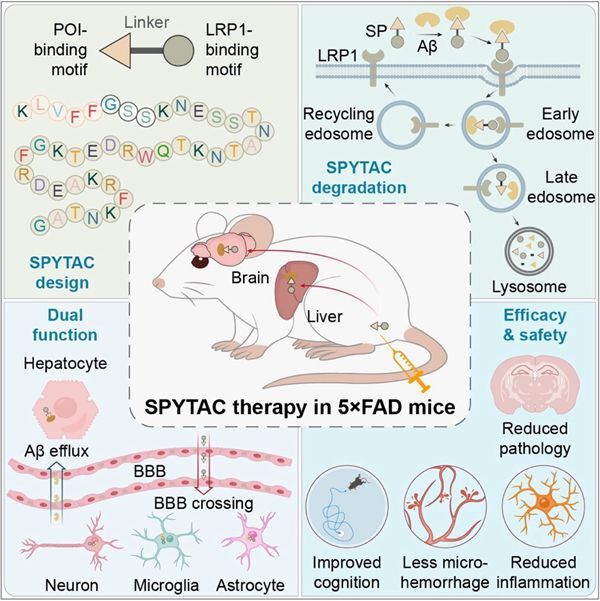 SPYTAC Enables Safe and Efficient Alzheimer' s Treatment via Lysosomal TargetingAlzheimer' s disease (AD) affects nearly 57 million people worldwide and is characterized by the accumulation of amyloid-β (Aβ) plaques in the brain. Antibody therapies that target Aβ can slow disease progression, but they often cause brain inflammation and amyloid-related imaging abnormalities (ARIA), including microhemorrhage. Safely removing Aβ without triggering immune side effects has remained a major challenge.Mar 06, 2026
 -
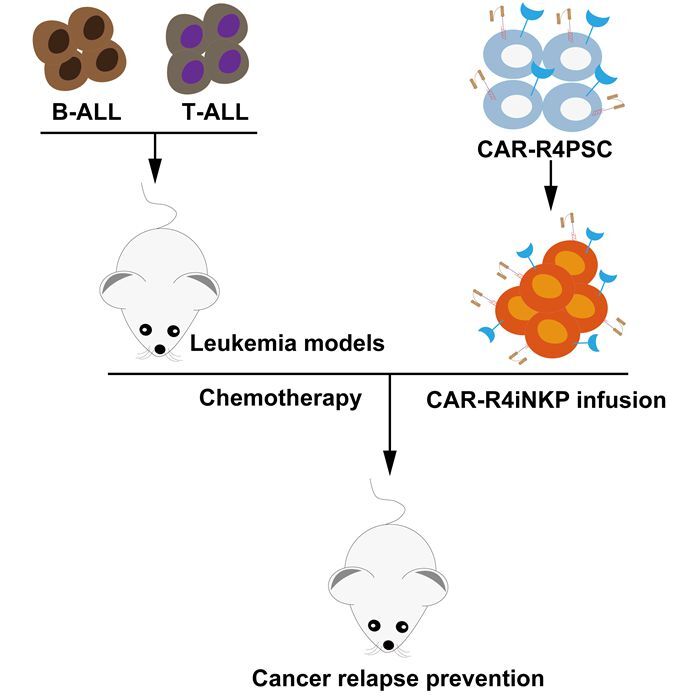 Researchers Developed a Novel NKP Cell Therapy for Cancer treatmentChinese researchers have developed a de novo pluripotent stem cell (PSC)-derived chimeric antigen receptor NK progenitor (CAR-NKP) cell therapy, offering a promising new strategy for cancer immunotherapy.Mar 05, 2026
 -
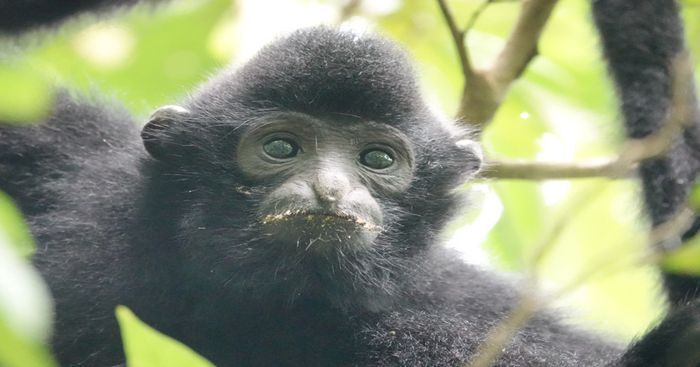 Fecal Genomics Reveals the Genetic Basis Underlying the Recovery of the World‘s Rarest PrimateThe Hainan gibbon (Nomascus hainanus), one of the world's rarest primates, saw its population plummet starting in the 1950s, reaching a near-extinction point with only around 13 individuals remaining in the wild by 2003. Since then, the population has steadily recovered to around 42 individuals by 2024. While this rebound is often credited to conservation efforts, the role of genetic factors in the gibbon's recovery remains unknown. A major challenge is the difficulty in obtaining high-quality DNA samples without disturbing these elusive animals. Although fecal samples are one of the few noninvasive options, their use in genomic studies has been limited by concerns over low quantity and degraded host DNA.Feb 13, 2026
 -
 New Study Uncovers How Rice Viruses Manipulate Plant Defenses to Protect Insect VectorsPlanthoppers and leafhoppers not only feed on rice plants but also act as highly efficient vectors for plant viruses, causing substantial yield losses worldwide. Notably, their persistent ability to evade natural enemies is not merely a matter of chance—it is subtly reinforced by the plant viruses they carry.Jan 08, 2026
 -
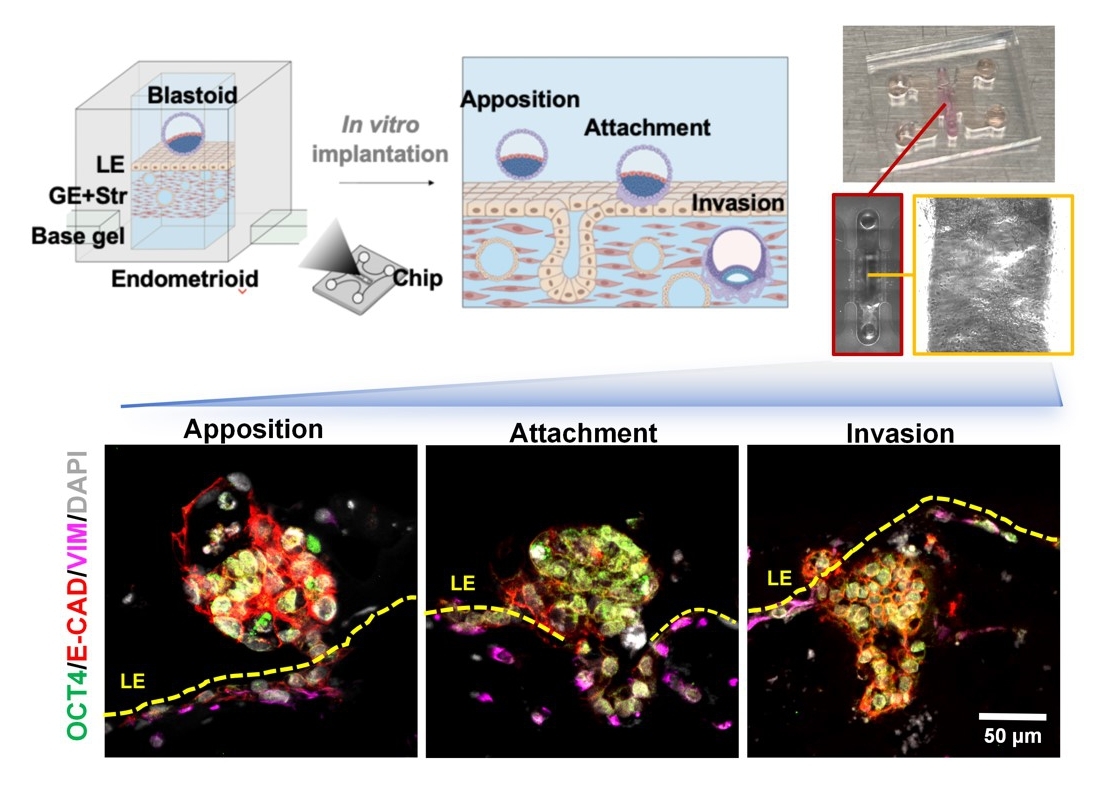 3D Uterine Embryo Implantation Simulating Chip Cracks the Code of Repeated Implantation FailureA single chip brings new hope for precise treatment to infertility patients. A research team led by Researcher YU Leqian from the Institute of Zoology of the Chinese Academy of Sciences, in collaboration with scientists from worldwide, has successfully developed a 3D uterine embryo implantation simulating chip. For the first time, the entire process of human embryo implantation has been completely replicated in the laboratory. This research breaks through the long-standing ethical and technical bottlenecks in the field, providing a novel research platform for gaining deeper insights into the mechanisms of maternal-fetal crosstalk and elucidating the pathological basis of Repeated Implantation Failure (RIF), thereby offering a dawn of precise treatment for patients. The related research findings were published in the journal Cell.Dec 25, 2025