Research Progress
-
Microbiota-gut-brain interaction confers thermal benefits to survive cold in small mammalsAug 30, 2019
-
Herbivore Phylogenetic Diversity Can Be Affected By Plant Diversity LossGlobal change leads to increasing biodiversity loss, usually with consequences for the structure and functioning of ecosystems, such as primary productivity and nutrient cycling. Addressing biodiversity loss is a key scientific and societal challenge. Previous work has emphasized the strong linkages between the loss of plant species richness and declines in consumer abundance and diversity. However, the mechanisms underlying these linkages are still unclear.Aug 23, 2019
-
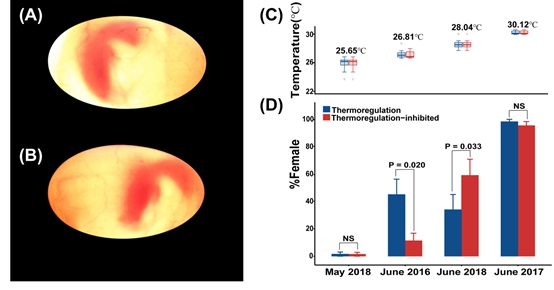 Turtle embryos can influence their own sexual destinyAug 04, 2019
 -
New Insights in Molecular Mechanism of High-altitude Adaptation in BirdsMay 21, 2019
-
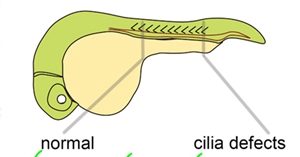 Primary cilia regulate hematopoietic stem cell specification in zebrafishApr 25, 2019
 -
 Rejuvenation of Aging Cells Helps to Cure Osteoarthritis Through Gene TherapyAging is a risk factor for the development of osteoarthritis (OA), a chronic disease characterized by degeneration of articular cartilage leading to pain and physical disability. Senescent mesenchymal stem cells (hMSCs) are found in cartilage tissues isolated from patients suffering from osteoarthritis. Notably, senescent MSCs have been regarded as an important therapeutic target for geroprotection against tissue degeneration.Mar 26, 2019
 -
Researchers Reveal a Novel Role of Protein Coalescence in Controlling Fly LifespanMar 15, 2019
-
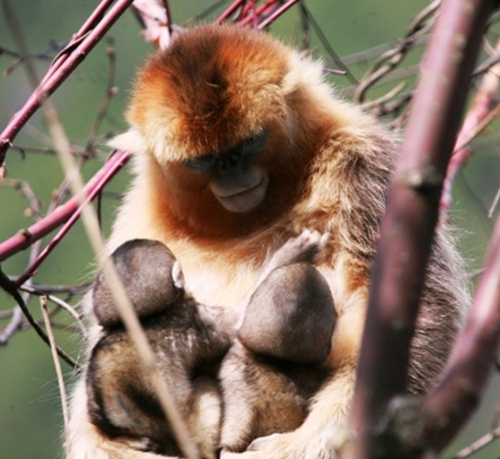 Scientists find routine allomaternal nursing in an Old World monkeyA team of scientists led by Prof. Li Ming at the Institute of Zoology, Chinese Academy of Sciences, found widespread allomaternal nursing behavior in an Old World monkey, the golden snub-nosed monkey.Feb 21, 2019
 -
Giant pandas may have only recently switched to eating mostly bambooJan 31, 2019
-
Stable isotope analysis provides insights into the diet evolution and habitat contraction of giant pandasToday, giant pandas are represented by one iconic species, Ailuropoda melanoleuca, and live only in the understory of particular mountains in southwestern China. The ancestral panda Ailurarctos lufengensis excavated at the Shihuiba site in Lufeng, Yunnan from the late Miocene (7-8 Myr), is thought to have been carnivorous or omnivorous. The first chronospecies in the genus Ailuropoda, the pygmy panda (A. microta), emerged in the late Pliocene and is thought to have been a specialized bamboo feeder. Records show that A. microta and later A. baconi (always found in abundance among Ailuropoda-Stegodon fauna during the Pleistocene), had a widespread distribution and occupied different habitats over southern, central and northwestern China that extended as far north as Beijing and as far south as Myanmar, northern Vietnam, Laos and Thailand.Jan 30, 2019