Research Progress
-
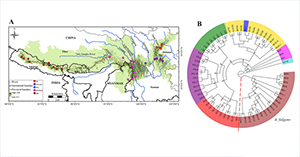 Population genomics of red pandas reveals two phylogenetic species and their different evolutionary historiesFeb 27, 2020
 -
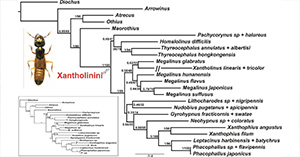 Endophallus Spiraling Occurring After Its Eversion Is An Innovation In Beetle EvolutionJan 03, 2020
 -
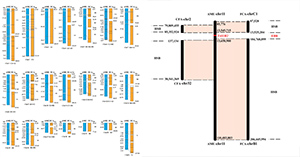 Chromosome-level genome assembly for giant panda provides novel insights into Carnivora chromosome evolutionDec 16, 2019
 -
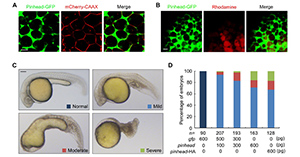 Scientists uncover mysteries of the robustness of dorsoventral patterningDec 19, 2019
 -
New research provide a strategic advantage for the next generation of anti-obesity drug developmentNov 20, 2019
-
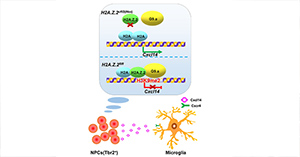 Neural precursor cells regulate the development of microglia during the early brain.Nov 14, 2019
 -
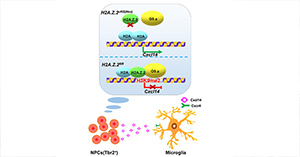 Neural precursor cells regulate the development of microgliaNov 12, 2019
 -
Primate embryos grown in the lab to gastrulation stagePeri-implantation embryonic development is a critical process during which the embryo establishes a close relationship with maternal uterus, forms the basic body plan, and differentiates into three germ layers (endoderm, mesoderm and ectoderm) through gastrulation. The endoderm gives rise to most of the internal linings of the embryo body, including the lungs, the liver, the pancreas and the intestinal tract; the mesoderm differentiates into the heart, the skin, the muscle system and the bones; the ectoderm forms the nervous systems, the mammary glands and the hair. The abnormal development of human peri-implantation embryos appears to be correlated with the frequencies of woman reproductive disorders and human major structural malformations in central nervous system, heart and limbs. However, the knowledge of human peri-implantation embryonic development and gastrulation is very limited.Nov 07, 2019
-
Rodents could mediate mutualism and antagonism among sympatric tree species via seed rainOct 24, 2019
-
Intensified human disturbance and climate change attributed to population decline and local extinction of mammalsGlobal biodiversity has been declining rapidly in modern times. Accelerated anthropogenic impact and climatic change are widely blamed to be responsible for unprecedented species extinction. But, quantitative relationships between local extinction of animals and anthropogenic or climatic factors have been rarely evaluated. This prevents us from disentangling the relative roles of human impacts and climate change in causing population decline or local extinction of species, and to take effective conservation actions. Because human disturbance and climate change are often highly correlated, it is still challenging to disentangle their distinctive effects on population change. Solving this problem needs long-term spatial-temporal data of animal populations.Sep 03, 2019