Research Progress
-
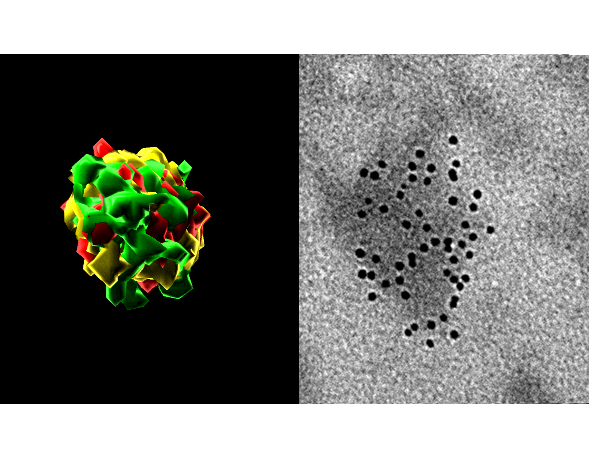 The enemies within: endogenous retroviruses and programmed agingThe co-option between viruses and humans plays important roles during human evolution. Endogenous retroviruses (ERVs), belonging to long terminal repeat (LTR) retrotransposons, are a relic of ancient retroviral infection, fixed in the genome during evolution, comprising about 8% of the human genome. As a result of evolutionary pressure, most human ERVs (HERVs) accumulate mutations and deletions. Moreover, these enemies from ancient times are strictly repressed by host mechanisms such as epigenetic regulation. On the other hand, cellular senescence is an important hallmark of aging and aging-related diseases, during which, programmed epigenetic alterations play important roles. However, can endogenous retroviruses, or the enemies within, escape host surveillance during aging? And, if so, will they set the path to the grave of the cell or even the whole organism?Jan 07, 2023
 -
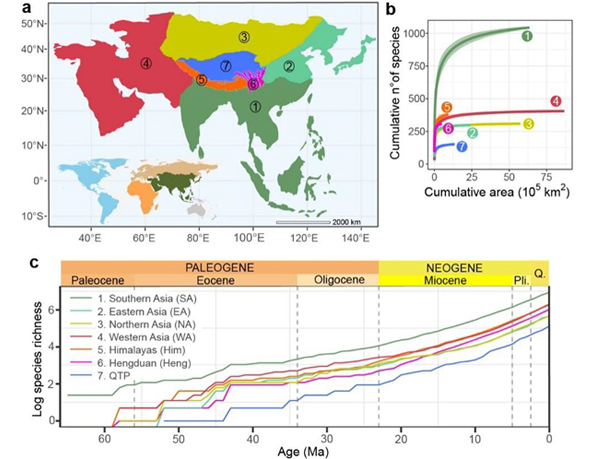 Study Explains Formation of Rich Mammal Diversity in AsiaAsia is home to a great many species as well as 14 of the globe’s 36 biodiversity hotspots. Its present biodiversity is assumed to be linked to diverse Cenozoic events, including very active mountain building and climatic changes. However, previous studies exploring the origin and timing of Asian faunas have mainly come from analysis at taxonomic or geographic scales and are too limited to offer a comprehensive view of biological evolution in this complex region.Nov 29, 2022
 -
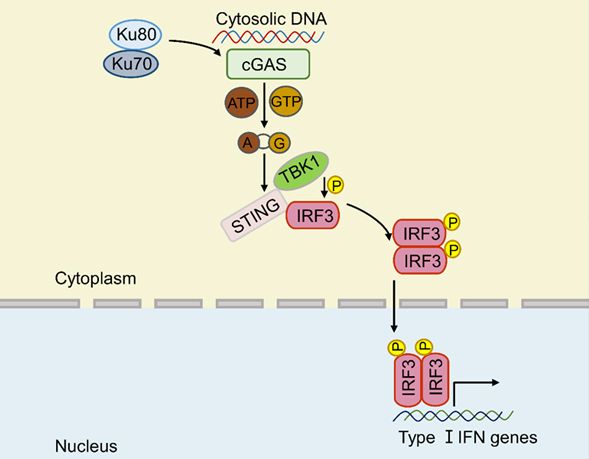 Researchers identify Ku proteins as new co-sensors of cyclic GMP-AMP synthaseThe initiation of the innate immune responses relies on the detection of different microbes by multiple pattern recognition receptors. Among these receptors, cyclic GMP-AMP synthase (cGAS) has been identified as a major and universal cytosolic DNA sensor that is independent of specificity of DNA sequence and/or cell type. However, previous studies have suggested that the binding affinity of cGAS to DNA is relatively low, how the low binding affinity between cGAS and DNA still efficiently mediates the innate immune responses remains largely unknown.Sep 07, 2022
 -
Researchers Identify Key Factor in Exosome-mediated Viral Transmission from Insects to PlantsResearchers led by Prof. CUI Feng from the Institute of Zoology of the Chinese Academy of Sciences have identified a saliva protein, exportin 6, that acts as a vehicle for transporting plant virions into exosomes, thus overcoming the barrier of insect salivary glands to horizontal transmission.Sep 05, 2022
-
Genomic Attributes Explained by Certain Life History Traits in Neoavian BirdsMutations are the raw material of evolution. For example, a single change in an DNA base pair can cause a protein molecule to lose its function, with potentially major effects on the overall organism. However, mutations—and especially the ones that do not have major effects—can also provide a roadmap for understanding if there is a pattern of the evolution of genomic attributes such as nucleotide substitutions.Sep 05, 2022
-
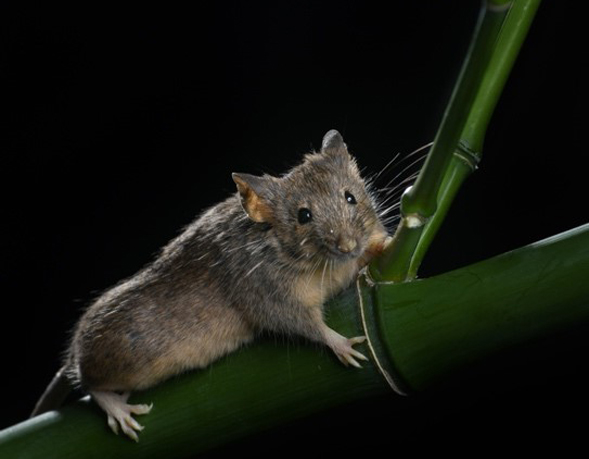 Researchers Engineer A Novel Sustainable Karyotype In MiceEvolutionary chromosomal changes may take a million years in nature, but researchers are now reporting a novel technique enabling programmable chromosome fusion that has successfully produced mice with genetic changes that occur on a million-year evolutionary scale in the laboratory. The result may provide critical insight into how rearrangements of chromosomes – the tidy packages of organized genes, provided in equal number from each parent, which align and trade or blend traits to produce offspring – influence evolution. In results published today (Aug. 26) in Science, the researchers reveal that chromosome level engineering can be achieved in mammal, and they successfully derived laboratory house mouse with novel and sustainable karyotype, providing critical insight into how chromosomal rearrangements may influence evolution.Aug 26, 2022
 -
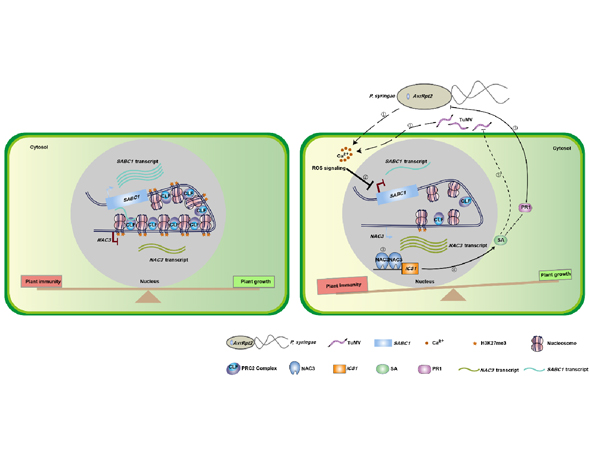 Researchers Reveal the Balancing Mechanisms of Plant Immunity and Growth Mediated by lncRNAsIn response to different biotic stresses, terrestrial plants have evolved complex and powerful immune systems. However, the persistent activation of the immune system would seriously damage plant development and growth. To balance immune responses and fitness costs, plant immunity is tightly controlled under normal conditions and quickly activated upon pathogen infection. The underlying molecular mechanisms in balancing plant immunity and growth are still poorly understood. Long non-coding RNAs (lncRNAs) are a class of RNAs (> 200 nt) that lack functional open reading frames (ORFs). Although the biological functions of a few lncRNAs in plant development have been revealed, how these lncRNAs with low expression effectively modulate diverse biological processes, including plant immune responses, remain largely unknown.Aug 07, 2022
 -
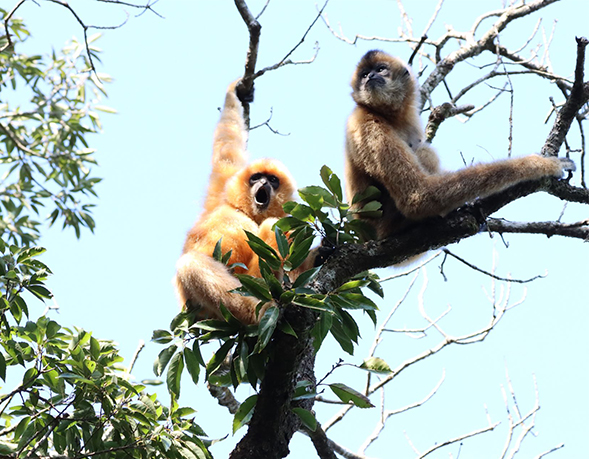 IoZ/CAS found that the population of the Critically Endangered Hainan gibbon increased, but its reproductive potential is not fully realizedGibbons are our close relatives. Thus their living status is highly concerned to human beings. Hainan gibbon is an endemic species in China and is only distributed in the Bawangling area of Hainan Tropical Rainforest National Park, China.Jul 14, 2022
 -
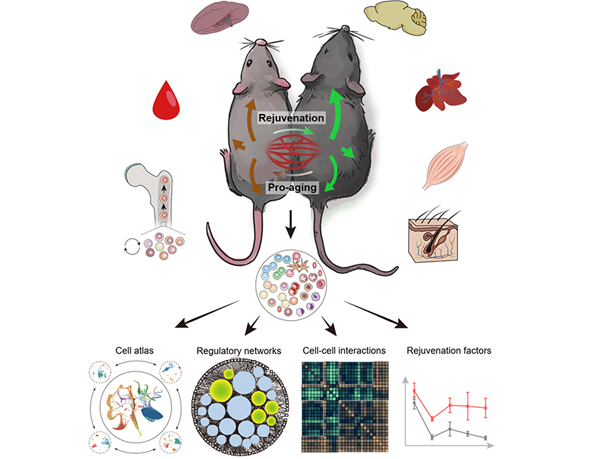 Old Mice, Young Milieu: Understanding How Aged Stem Cells Are Revitalized for Systemic RejuvenationAging is a process of systemic degeneration involving a variety of tissues and organs in the whole body and is characterized by gradual reduction of regenerative ability and functional decline. In trying to understand the aging process, and more importantly, in pursuit to reverse it, scientists have developed a technique called heterochronic parabiosis (HP), which surgically connects the circulatory systems of a young and old animal, thus providing a unique paradigm for evaluating how tissues and organs respond to the opposite milieu at a systemic level.May 30, 2022
 -
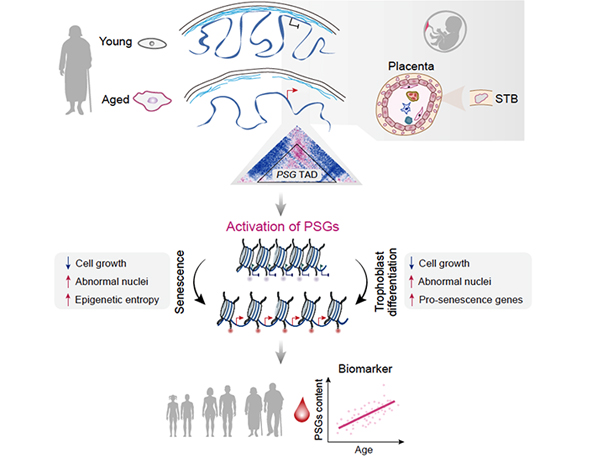 Increase in Chromatin Entropy Drives Cellular Aging, Say ResearchersAt the center of every cell, highly organized chromatin encodes the program of life with just one set of genes. This is possible because different genes are activated at different stages of life while remaining silent otherwise. Some genes for previous stage of life are buried deep at the nuclear periphery, while some manage to escape from repression.May 30, 2022