Research Progress
-
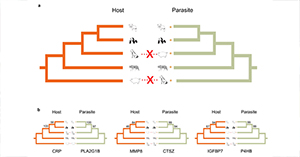 Comparative genomics reveals genomic signatures of coevolution between non-model mammals and parasitic roundwormsTwo or more species affect each other's evolution through the process of natural selection, which is called coevolution. It includes mutually beneficial coevolution and antagonistic coevolution, among which coevolution between host and parasite is typically antagonistic. For the previous studies on the genetic basis of coevolution, most of them focused on the candidate gene level and lacked genome-level study. With the development of next-generation genome sequencing technology, the genomes of many parasites that are closely associated with the health of human and domestic animals have been sequenced. However, most of them only focused on the structure and function of parasite genomes, but did not explore host genome-related changes and the coevolution mechanisms between host and parasite.Sep 28, 2020
 -
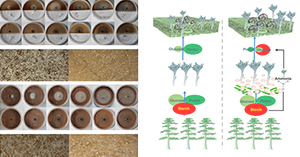 A symbiosis explained: how a beetle’s bacterial associates enable an invasive bark beetle—fungus complex to coexist in a nutrient poor environmentMutualisms between symbiotic microbes and animals are ubiquitous in nature. The foundation of many mutualisms are nutritional relationships. The well-studied mutualism between bark beetles and their fungi has become a classic model system in the study of symbioses, yet the mechanism remains elusive.Aug 25, 2020
 -
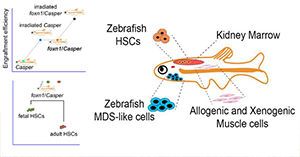 Stem Cell Reports | Generation of foxn1/Casper Mutant Zebrafish for Allograft and Xenograft of Normal and Malignant CellsZebrafish cell transplantation platform has been brought to the forefront to study the cell properties, and it gains advantages in cost-effective, high-throughput and facile imaging.Aug 21, 2020
 -
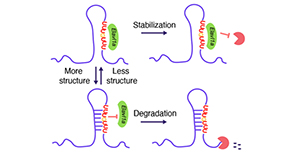 Researchers Reveal RNA structural dynamics regulating early embryogenesisEmbryogenesis in animals is initially directed by maternal factors, including maternal mRNAs and proteins, deposited in the egg [1]. During the maternal-to-zygotic transition (MZT) process, the maternal transcripts undergo orchestrated translation and well-controlled clearance, and the animal begins to synthesize zygotic factors depending on embryonic genome. Afterwards, the zygotic factors replace the maternal factors and regulate subsequent individual development [.Aug 07, 2020
 -
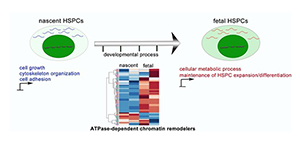 BLOOD| Smarca5 mediated epigenetic programming facilitates fetal hematopoietic stem and progenitor cell development in vertebratesHematopoiesis can produce all types of blood cells, including erythrocyte, megakaryocyte, macrophage, and lymphoid cells, etc. ...Aug 07, 2020
 -
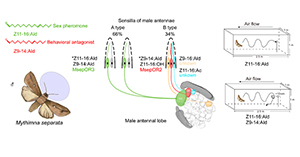 Unlocking olfactory secrets of the Oriental armyworm, a major pest in cereal cropsThe Oriental armyworm, Mythimna separata (Walker), is a major agricultural pest in Asia. It causes serious damage to cereal crops such as maize, rice, wheat and millet frequently. The adult moths have the characteristic of seasonal migration in a long distance. As a result, the armyworms appear and disappear mysteriously, and are very difficult to be controlled. For the strong attractiveness to the adult moths, both sex pheromone and sweet vinegar solution are employed to monitor the population occurrence and dynamics of this moth species. Recently, Chen-Zhu Wang’s lab in Institute of Zoology, Chinese Academy of Sciences serially published three research papers in the prestigious journal of Insect Biochemistry and Molecular Biology, and uncovered the olfactory coding mechanisms of the Oriental armyworm to the sex pheromone and sweet vinegar solution.Aug 04, 2020
 -
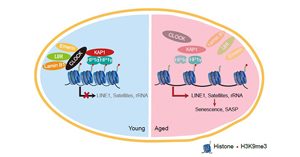 Researchers Reveal a New Role of CLOCK in Promoting Stem Cell Rejuvenation and Cartilage Regeneration by Stabilizing HeterochromatinCircadian clock is an evolutionarily conserved biological timing system that stabilizes tissue and cellular homeostasis by synchronizing mammalian physiology and behaviors with the external light-dark cycle. Accumulating evidence indicates an inextricable link between the circadian clock and the aging process. Adult stem cell exhaustion or senescence is one of the aging hallmarks and a crucial driving force for human degenerative disorders such as aging-related articular degeneration. However, the role of core circadian clock components in contributing to human stem cell aging has not been reported.Aug 03, 2020
 -
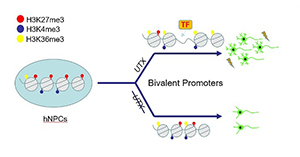 UTX Regulates Human Neural Differentiation and Dendritic MorphogenesisJul 20, 2020
 -
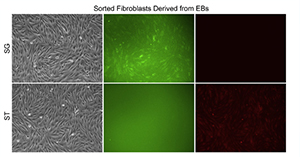 Model human X chromosome random inactivation using naive human embryonic stem cellsX chromosome inactivation (XCI) is an important epigenetic event during early mammalian development. One of the two X chromosomes is randomly inactivated to ensure that gene expression level is consistent between XX and XY individuals. The X chromosome status in human early embryos is dramatically different from mouse. In addition, neither primed nor naive human embryonic stem cells (hESCs) were able to fully recapitulate X chromosome status in human preimplantation epiblast and they failed to execute random X chromosome inactivation (XCI) upon differentiation. Therefore, the study of human XCI has been hampered by the lack of proper models.Jul 17, 2020
 -
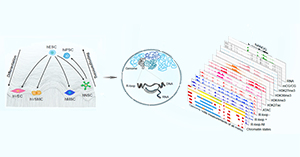 Researchers depict genome-wide R-loop landscapes during human stem cell multi-lineage differentiation and reprogrammingJul 13, 2020